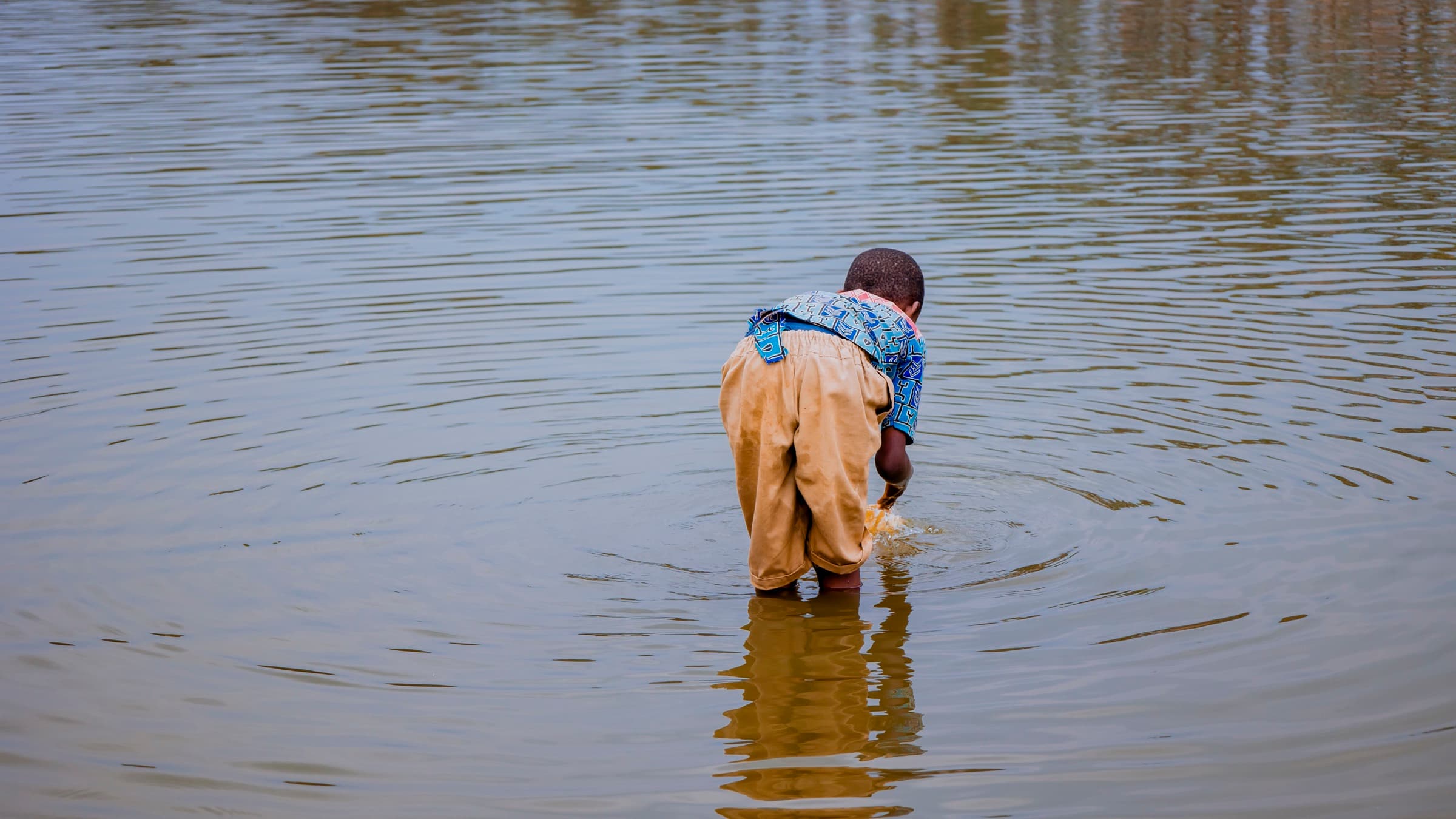
Photo by Nadine Uwizeyimana
Living Near Water Should Mean Having Safe Water.
SAquaSolve Rwanda turns untreated surface water into safe, reliable drinking-water access — through community-scale treatment and distribution systems built and operated with the communities they serve.
The Contradiction
Communities can live beside water and still lack safe water access.
A lake, a river or a wetland can sit within sight of a community while the water remains untreated, difficult to reach safely, or disconnected from any dependable drinking-water service. That gap is what SAquaSolve exists to close.
What proximity alone does not solve
Untreated
A lake or river can sit right beside a community without being safe to drink. Presence is not the same as potability.
Access
A water source close by is not the same as a protected, dependable drinking-water point people can actually rely on.
Time
Where a safe source is not close, collecting water can take hours that would otherwise go to school, work or rest.
Safety
Collecting water directly from open lakes and rivers also carries physical and environmental exposure that managed, protected access points are built to reduce.
The SAquaSolve model
SAquaSolve Turns Proximity Into Access.
A natural water resource near a community is not automatically drinking-water infrastructure. SAquaSolve develops the systems that convert it into one — a managed, monitored service rather than an open, untreated source.
How it works
One system, from source to sustained service.
01 · Source
Locally available surface water — Lake Mirayi, in Gashora.
02 · Pump
A screened intake and solar-powered pumping draw raw water in.
03 · Treat
One centralized plant treats it — the process is chosen by evidence, not assumed.
04 · Protect
Treated water is held in protected storage, safe from recontamination.
05 · Distribute
Delivered to multiple community access points — one system, not one kiosk.
06 · Sustain
Trained local operators and ongoing monitoring keep the service running.
What this unlocks
Safer Water
Treatment designed around the measured condition of the source, not a generic assumption.
Closer Access
Distributed community access points bring treated water nearer to where people actually live.
Safer Collection
A managed access point reduces how often people need to interact directly with an untreated natural source.
Reliability
Protected storage, monitoring and trained local operators turn water collection into a managed service, not a gamble.
Evidence
A Few Numbers That Explain the Gap.
National figures establishing the pattern SAquaSolve is responding to.
EICV7 (2023/24): about 90% of Rwandan households nationally use an improved drinking-water source, including 97% urban and 87% rural.
NISR, EICV7 2023/24, Utilities and Amenities Thematic Report
UNICEF Rwanda: only 57% of the population accesses safe drinking water within 30 minutes of home.
UNICEF Rwanda — Water, Sanitation and Hygiene
Proof in the field
See It Taking Shape in Gashora.
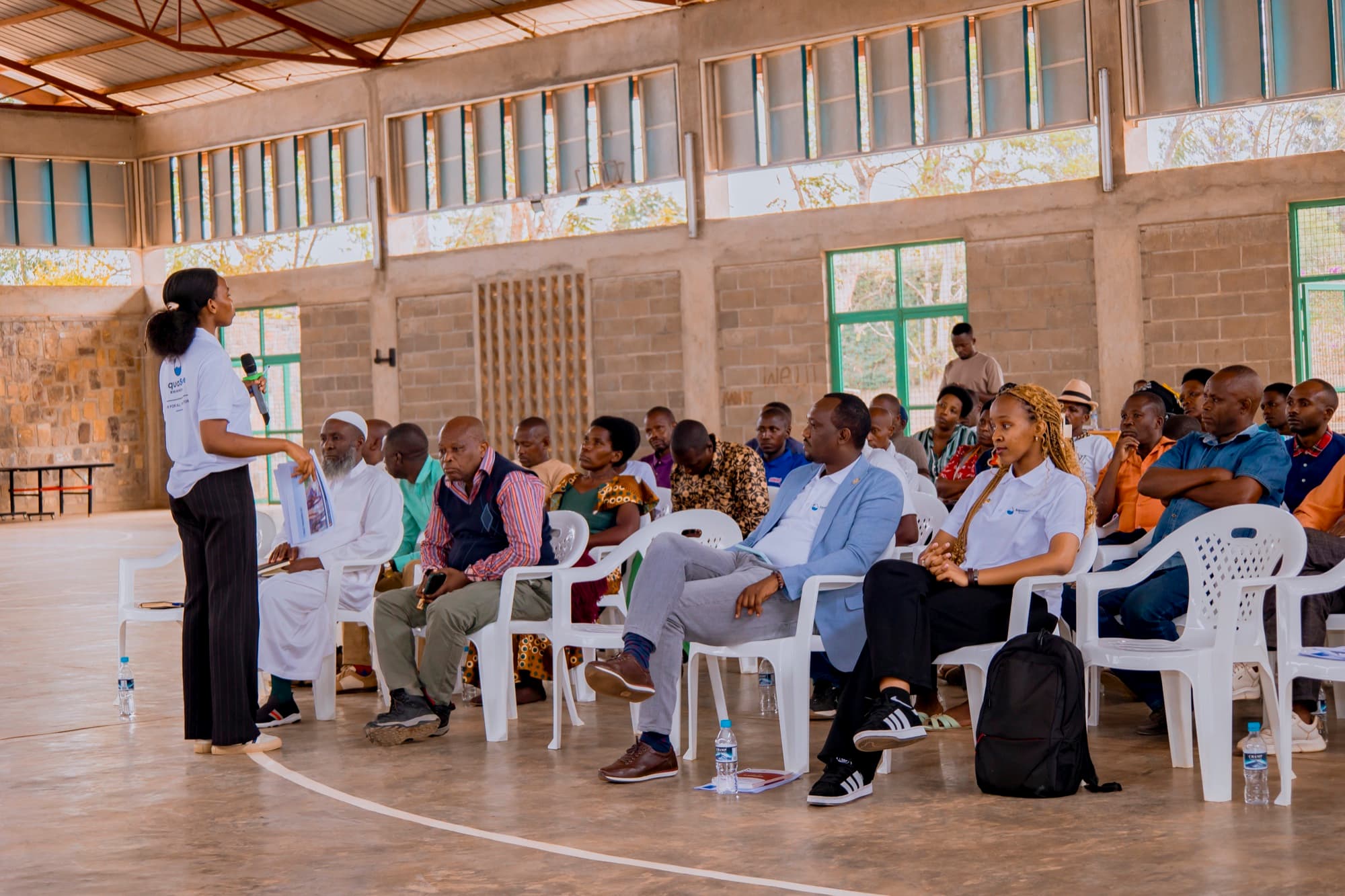
Gashora, Bugesera is SAquaSolve's first implementation and proving ground — where the model above is being tested in the real world, on Lake Mirayi, with the community that will use it.
Our mission
Turning Nearby Water ResourcesInto Safe Community Water Access.
SAquaSolve Rwanda is a community-based organization working to expand access to safe drinking water in underserved rural communities by developing and scaling solar-powered community water systems that treat non-potable surface water and distribute safe drinking water through accessible community water points.
Program architecture
See the full pictureSafe Water Infrastructure
Water, Health & Communities
Water Research & Innovation
Youth & Environmental Stewardship
Funded through
Confirmed Collaborators

Gashora Girls Academy of Science and Technology (GGAST)
Confirmed workshop partner — completed 2026 WASH and community workshops in Gashora
Rwanda Institute for Conservation Agriculture (RICA)
Water-quality testing and laboratory analysis collaborator for the Gashora system
Why SAquaSolve
Locally grounded
Designed around the water source, service area, institutions and people each system is intended to serve.
Community-informed
Workshops and direct community input shape the plan before engineering decisions are finalized.
Evidence-led
Lake Mirayi's own condition is measured directly. Treatment is designed to what the water needs.
Designed for scale
One system, one accountable service — a model built to extend beyond Gashora over time.
Our story
Three years in Gashora, and an organization built to work with the community it began with.
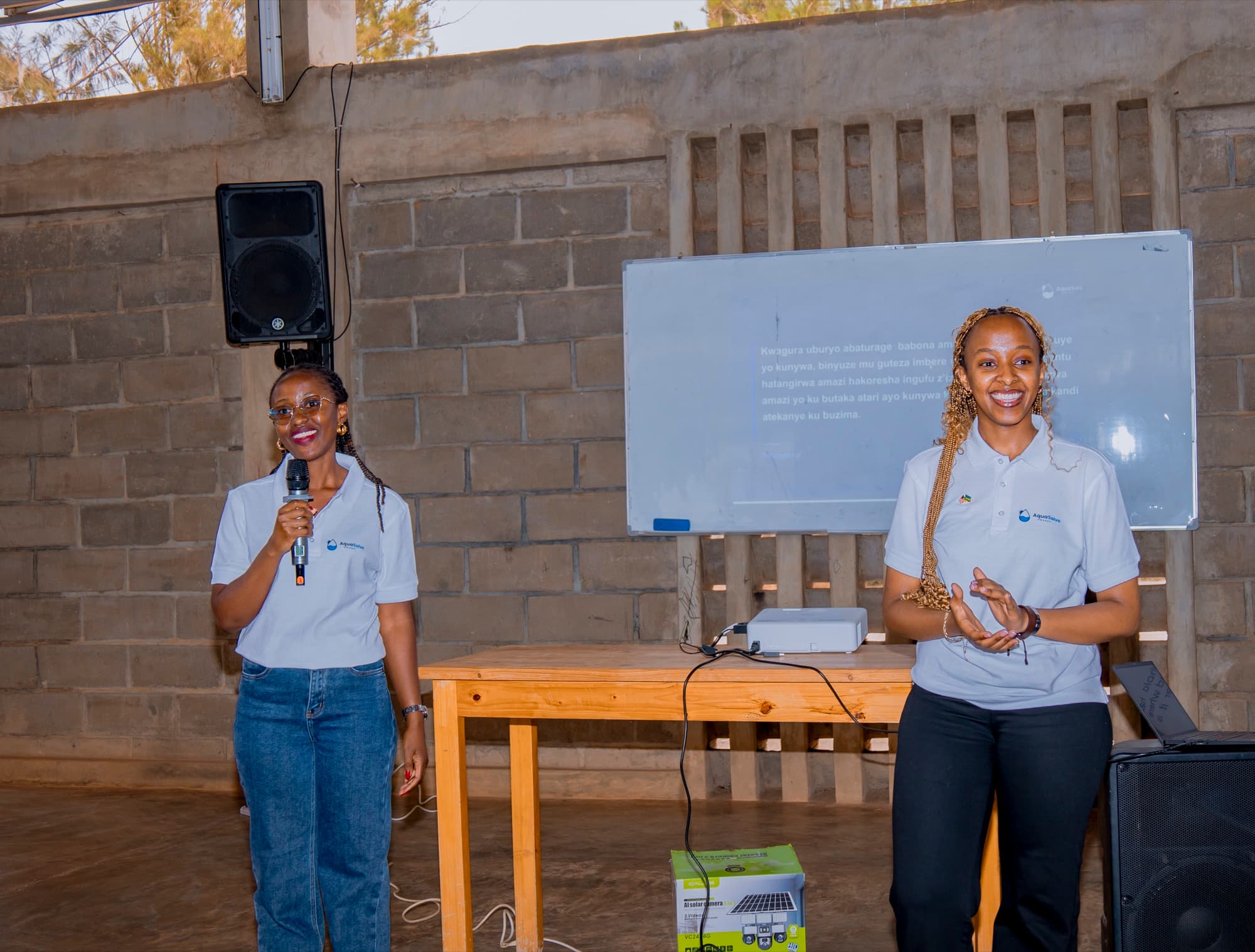
SAquaSolve began with a direct, personal connection to Gashora: founder Sonia Irakoze spent three years there as a boarding student at GGAST. That relationship is why SAquaSolve's first work is in Gashora, and why the organization is building the way it is — with residents, measuring the source directly, and engineering the system alongside local and technical partners rather than assuming a design in advance.
Read our storyPeople
Meet the team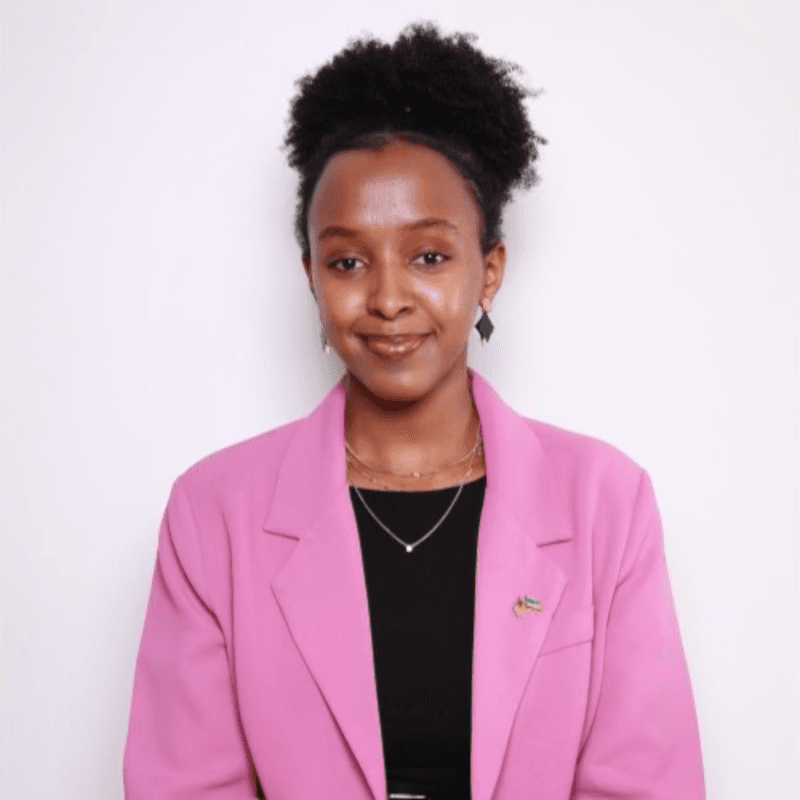
Sonia Irakoze
Founder & Legal Representative
A mechanical engineering student at the University of Rochester, leading SAquaSolve from a direct, personal connection to Gashora.

Nadine Uwizeyimana
Deputy Legal Representative & Technical Lead
A water and sanitation engineer who leads SAquaSolve's technical coordination, site planning and stakeholder engagement on the ground.
Board of Directors — profiles coming soon.
The scale of the ambition
A Rwanda where proximity to water means access to safe water — where communities living near lakes, rivers and other local water resources are never more than a short, safe distance from water they can trust.